Professional Profile
What Does a Technical Artist Do in Real-Time Broadcast Production
"Technical Artist" is one of those titles that means very different things depending on where you work. At a large game studio it might mean someone who spends their day writing tools in Python. In real-time broadcast production, my day to day looks quite different. Here's what a Technical Artist does in my specific case.
A title that means different things depending on where you work
The spectrum is wide. At one end there are Technical Artists who are almost programmers: they write internal tools, automate entire pipelines, live in Python or C++ every day, and the artistic side takes a back seat. At the other end there are profiles much closer to art, who use the technical side as a means to reach a visual result, not as an end in itself.
Both carry the same title on the business card, but the actual work barely resembles each other. So when someone asks me what a Technical Artist does, the honest answer always starts with "depends on which one."
My profile: more artistic than technical
In my case, the profile sits closer to the artistic side. I don't code in Python or C++. What I use is Blueprints, inside Unreal Engine, always aimed at solving a specific visual or production problem, not at building general software systems.
I don't say this as a limitation I need to make up for elsewhere. It's simply where my value is: understanding what a scene needs to work and look right, and using whatever technical tool it takes (a Blueprint, a material, a rig) to get there.
Where it overlaps with Technical Animator
Since I'm also an animator by training, my profile sometimes blends with that of a Technical Animator, depending on what the project needs. That's where building rigs and control rigs from scratch comes in, like I did to bring Tadeo Jones into a news broadcast in augmented reality: body, face, and retargeting someone else's motion capture.
That overlap is, at its core, what defines me most. I'm not a Technical Artist who picked up some animation along the way. It's the other way around: I've been an animator for much longer, and the technical side was built on top of that foundation.
The day to day on a real-time news broadcast
In broadcast production, the work splits across several fronts that don't always go together in other contexts:
- Advanced materials: shaders and material animations, not just static textures.
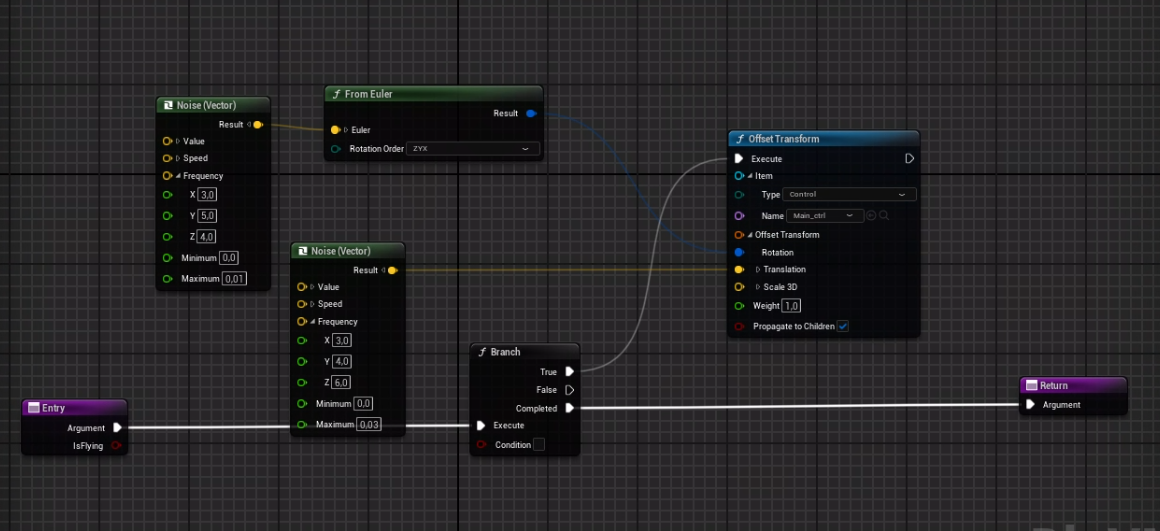
- Automation and tools built with Blueprints: panels and controls that make the team's work easier and let a scene be handled live without me needing to be at the computer at that exact moment.
- Solving concrete technical problems: what a news story needs rarely fits neatly into what the pipeline already knows how to do, so a good part of the job is figuring out how to make it happen anyway.
- VFX and simulations: fire, smoke, fluids, destruction. For effects I mostly work with the JangaFX suite, with Blender for modeling and rigging when needed, and Unreal Engine as the final engine where it all comes together.
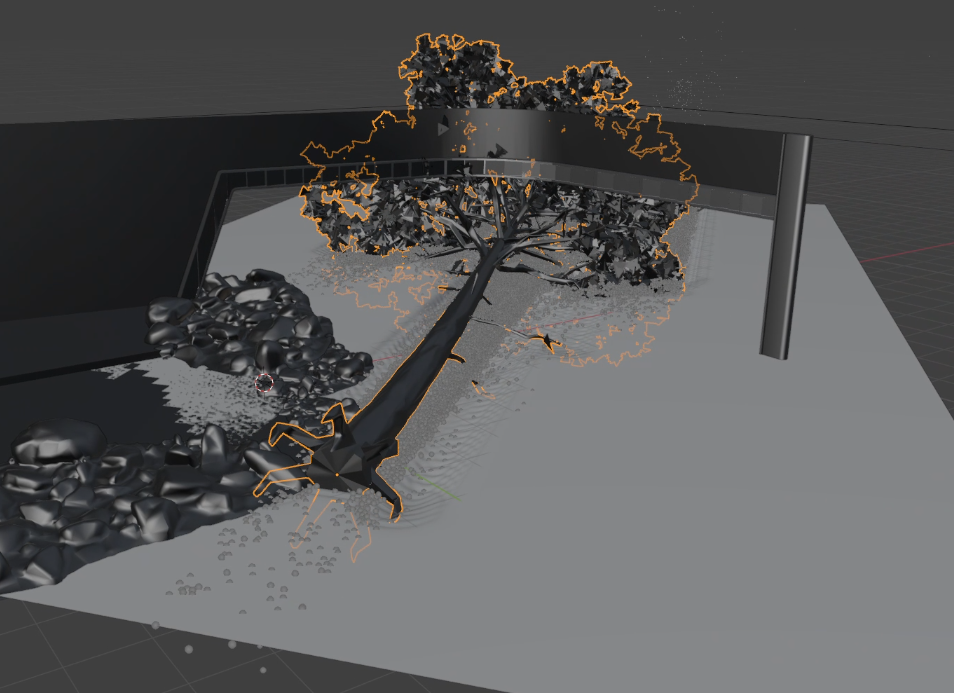
None of these fronts is "the job of a Technical Artist" on its own. It's the combination, applied to whatever each news story needs on a given day, that defines the role in practice.
One label, many profiles
"Technical Artist" doesn't describe a single way of working. It describes a position, somewhere between art and technique, solving whatever the production needs with whatever it takes. In my case that position sits closer to art, built on an animator's foundation, supported by Blueprints and VFX to sustain real-time production. At a different studio, with a different person, it would be a different story.
Going through a similar pivot, or looking for someone who combines animation and Unreal Engine on your team?
Let's talkYou might also like
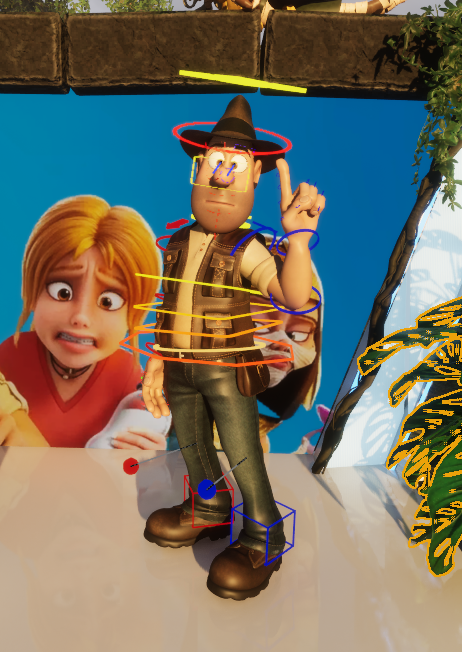
Tadeo Jones in Augmented Reality: Rig, Mocap and Retargeting
How I built Tadeo Jones' full rig in two weeks (body, face and mocap retargeting) to bring him into a news broadcast in augmented reality format, starting from zero.
Read article →
Unreal Engine in Live Television: How Virtual Production Works in Broadcast
Behind the augmented reality and virtual sets you see on TV every day, there's a game engine running in real time. Here's how Unreal Engine connects with the broadcast world, and why live changes everything.
Read article →From 3D Animator to Unreal Engine Technical Artist: my career pivot
After more than a decade animating characters for series and video games, I made the jump to Unreal Engine and real-time production. Here's what I learned along the way, and why I don't regret it.
Read article →